
Today, more people are choosing products and services that are better for the environment. This ‘greener’ choice often makes them feel good about themselves. This feeling, known as a positive moral self-image, comes from making decisions that align with their values. When people buy eco-friendly products or book rooms in sustainable hotels, they are not just making a purchase — they are supporting their identity as caring and responsible individuals. But why should businesses think about this? The company of tomorrow needs to be created today. Understanding and catering to this desire can build strong customer loyalty and enhance brand reputation. When companies help customers feel good about their choices, they are more likely to earn their trust and support. Understanding positive moral self-image: To create a win-win situation, for a business and the consumer, businesses need to further address the growing demand for sustainable practices. Create opportunities to tap into the psychological benefits that drive consumer behavior and steer brand preferences. With visible sustainable actions, thereby using strong communication at multiple customer touchpoints, not only helps the environment but also strengthens the relationship between the company and the consumer. Regarding the concept of positive moral self-image, the following should be taken into account: 
 Transforming food waste on-site with a Waste TransformerOne effective way hotels can embrace sustainability and boost their guests' positive moral self-image is by managing food waste efficiently. A modular biodigester is a great ‘tool’ for this. It turns food waste into useful resources right on the hotel's property. This practice not only reduces the hotel's environmental impact but also sends a powerful message of responsibility and innovation to the guests.
 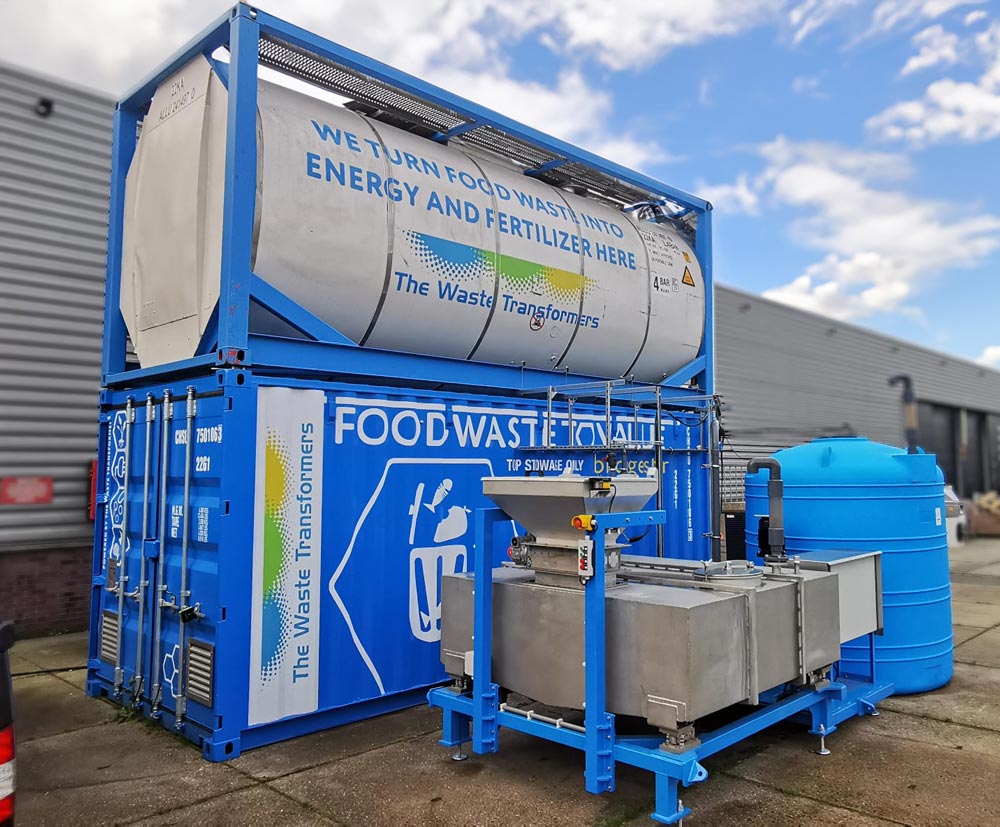 What are the key benefits of transforming food waste on-site?
- To maintain a positive self-image, an individual is driven by the desire to see themselves as good.
- Morality is at the core of personal and social identity, shaping how individuals view themselves and are viewed by others.
- A positive moral self-image can strongly influence consumer purchasing decisions towards sustainable choices.
The companies of tomorrow, are created today. Taking into account the concept of positive moral self-image will influence B2B choices that can bend the future in the right direction.
Transforming food waste on-site with a Waste TransformerOne effective way hotels can embrace sustainability and boost their guests' positive moral self-image is by managing food waste efficiently. A modular biodigester is a great ‘tool’ for this. It turns food waste into useful resources right on the hotel's property. This practice not only reduces the hotel's environmental impact but also sends a powerful message of responsibility and innovation to the guests. What are the key benefits of transforming food waste on-site?- Environmental benefits: Less food waste in landfills means fewer methane emissions, a harmful greenhouse gas trapping heat in our atmosphere.
- Resource efficiency: Turning food waste into clean energy, reduces the need for outside waste management services and lowers transportation emissions.
- Tangible awareness: Valorizing non-preventable food waste, allows businesses to show their conscious guests to join a food waste to value tour. It makes the concept of food waste reduction visible, inspiring and motivates people to act and waste less from the buffet.
- Cost savings: Over time, reducing waste management costs will save the hotel money, will reduce the amount of food wasted and forthcoming purchasing costs.
- Guest engagement: Sharing these sustainable practices with guests can enhance their positive moral self-image, making them feel part of the solution and more connected to the hotel's values compared to staying in a competing hotel.

